
Kozi checks and balances
update

Kozi Checks & Balances
Media Site Home

cropper
update
  • Categories
    • Kansas Tax Compliance
    • Audit-Proofing Strategies
    • Bookkeeping Basics
    • QuickBooks Optimization
    • Industry Insights
    • Tax Deduction Deep-Dives
    • Local Business Spotlights
    • Payroll Taxes
    • Business Directory
cropper
update
 Kozi Checks & Balances TaxTactics News 
cropper
update
January 09.2025
2 Minutes Read

Why Europe's Tax Strategy Needs More Than Buzzwords for Economic Growth

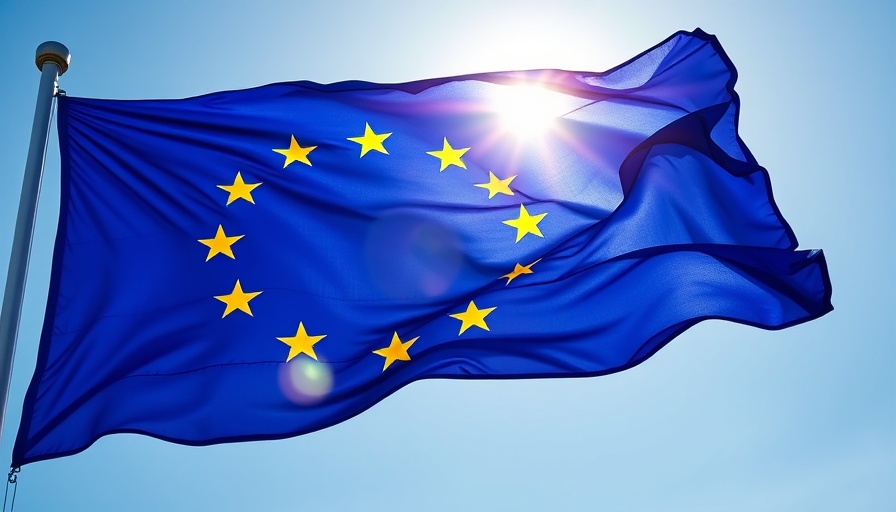
EU Tax Policy concept with EU flag waving in bright sunlight

Europe's Tax Policy: Moving Beyond Buzzwords for Economic Growth

As geopolitical tensions rise across the continent, especially with the continued conflict in Ukraine, the European Union (EU) finds itself at a crossroads. Experts argue that it's time for Brussels to adopt a more pragmatic approach to tax policy aimed at fostering real economic growth, rather than getting lost in buzzwords like 'competitiveness' and 'decluttering.'

Understanding the EU's Economic Landscape

Faced with political shifts such as the instability in powerhouse nations like France and Germany, and global events like Donald Trump's return to the White House, Europe is bracing for a year of potential transformations. These developments are stirring conversations in Brussels about how to maintain and boost the EU's economic standing on the global stage.

Sound Tax Policy Principles for a Better Future

The buzzwords may sound catchy, but experts are advocating for the EU to ground its policies in simplicity and transparency instead. By eliminating unnecessary bureaucratic hurdles, the EU can bolster economic progress. This approach requires not just agreement but a coordinated effort across member states to implement effective tax policies that everyone can adhere to.

Looking Ahead: Predictions and Emerging Trends

With the incoming European Commission and the Polish presidency signaling an interest in reform, there's potential for forward-thinking developments in the EU's tax framework. Streamlining processes could pave the way for a competitive agenda that's not just rhetoric. This strategic pivot could provide Europe with the tools it needs to achieve sustainable economic growth in the years to come.

Balanced Perspectives on Tax Strategies

It's crucial for policymakers to recognize diverse perspectives on tax policy, balancing national interests with the EU's collective goals. This balance will ensure growth benefits all member states while maintaining the union's integrated market dynamics. By prioritizing these sound principles, the EU can transition beyond temporary buzzwords to lasting economic resilience.

Industry Insights

0 Comments

Write A Comment

*
*
Please complete the captcha to submit your comment.
Related Posts All Posts
07.01.2026

Unlocking Success in B2B Sales: Key Strategies to Transform Approaches

Update Redefining B2B Sales: From Transactions to Partnerships In the evolving world of B2B sales, the old ways of pushing products are fading. Today, success hinges on the ability to solve real business problems. This shift calls for a fundamental change in strategy, focusing less on selling and more on understanding customer pain points to foster long-term partnerships. By adopting consultative selling methods, sales professionals can position themselves as valuable advisors rather than mere sellers. Create Urgency: Show the Cost of Inaction One effective strategy that resonates with prospective clients is the creation of urgency. Modern sales techniques suggest highlighting the potential losses that arise from inaction. Did you know that businesses could miss out on up to 25% of their potential revenue simply by delaying decisions? By illustrating these statistics with real case studies and clear timelines, sellers can not only convince buyers to act swiftly but also underscore their role as knowledgeable consultants who care about clients' business outcomes. Quantifying Financial Impacts: Making Value Tangible Another essential element in the B2B selling arsenal is the ability to quantify financial impacts. Buyers today are savvy—they’ve done their research—so sales professionals must mirror that proficiency. Using data-driven insights and analytics, demonstrate how your solutions can lead to quantified returns on investment (ROI). Tailoring these ROI examples specifically to meet the unique goals of your prospects fosters relevance and clarity. Transforming Objections into Opportunities Objections are often viewed as roadblocks in the sales process, but experienced professionals know they can be transformed into constructive conversations. Listening actively to buyer concerns enables sales reps to address objections while sharing relevant success stories. This approach not only mitigates concerns but also positions them further as trusted advisors willing to engage with the buyer’s challenges directly. Speed Up Decisions: The Art of Quick Response In today's fast-paced market, buyers expect rapid responses. Addressing inquiries promptly is essential for moving discussions forward. This can not only clarify the value proposition but also reinforce your position as a committed partner who values their time. According to various B2B selling methodologies, timely communication is key in maintaining momentum and ensuring that opportunities do not slip away. The Role of Technology in B2B Sales Incorporating technology into sales strategy is more critical than ever. Utilization of CRM tools and automation enables teams to streamline processes, allowing them to focus more on relationship-building rather than administrative tasks. With AI and machine learning, sales reps can analyze data patterns to predict customer behavior, making their outreach more effective and personalized. Building a Diverse Network: Fostering Relationships Sales success is not just about closing a single deal but cultivating relationships across various departments within an organization. This diversity equips sellers with insights that allow them to assist multiple stakeholders, ultimately leading to a higher chance of conversion. It’s vital to leverage these relationships and position oneself as a go-to resource for addressing comprehensive business challenges. Conclusion As we navigate the complexities of B2B selling, those who adapt to the new reality of solution-oriented selling will emerge as leaders in their field. The best sales strategies hinge on understanding buyers’ unique needs, showing the urgency to take action, and establishing collaborative partnerships. For professionals seeking to refine their approach, these tactics offer a pathway toward success in the competitive landscape.

06.30.2026

Exploring the Impact of Carbon Taxes in Europe by 2026

Update The Evolving Landscape of Carbon Taxes in Europe As we look towards 2026, the implementation of carbon taxes across Europe is anticipated to undergo significant changes. With climate change remaining a pressing global concern, 24 European nations have adopted carbon taxes to discourage carbon emissions, each with its unique structure and rates. From Finland, which initiated the world’s first carbon tax in 1990, to Norway and Sweden, which now impose some of the highest rates—€146.23 and €133.17 per ton respectively—these taxes reflect national commitments to reducing greenhouse gas emissions. New Updates and Reform Efforts In 2025, the EU made notable amendments to the Carbon Border Adjustment Mechanism (CBAM), simplifying regulations for importers and aiming to cushion their administrative load. Instead of a complex set of compliance measures, nearly 90% of importers will benefit from a new mass-based exemption threshold. This will allow smaller businesses to adapt without overwhelming regulatory pressures, aligning economic interests with environmental goals. The deadline for declaring imported goods has also been extended, giving importers more time to comply within the retroactive framework of these measures. The Range of Carbon Tax Rates Across Europe Currently, carbon tax rates in Europe vary dramatically. While countries like Norway lead with over €146 per ton, others, like Poland and Ukraine, impose minimal rates of €0.09 and €0.59 respectively. The average carbon tax among these nations is approximately €53.63. This disparity highlights both the varying levels of environmental commitment and economic realities faced by countries in the region. Understanding the Economic Rationale By placing a price on carbon emissions, governments aim to incentivize reduced pollution and shift behaviors towards greener practices. For businesses and consumers, these fees highlight the costs associated with carbon emissions, ideally steering investment toward cleaner technologies and practices. However, challenges emerge as nations struggle with the implications of such taxes, specifically the potential for double taxation when overlapping with EU emission trading systems. Looking Ahead: Future Trends The ongoing review and potential expansion of CBAM regulations could include sectors beyond the current scope, aiming to deepen the impact of carbon pricing. The EU Commission's strategic missions will be crucial as they seek to reduce embedded emissions while also addressing competitive fairness among EU and non-EU industries. As we approach 2026, businesses and policymakers must prepare for a shifting landscape where climate awareness increasingly shapes financial strategies. The ongoing evolution of carbon taxes represents both a challenge and an opportunity for European economies. By 2026, how countries adapt to these shifts will play a pivotal role in the region's efforts to combat climate change.

06.29.2026

Understanding Current Commercial Loan Rates: What Businesses Should Know

Update Commercial Loan Rates Today: What You Need to Know In today’s economy, understanding commercial loan rates is paramount for businesses seeking financing options. Different types of commercial loans come with distinct interest rates, and it’s essential to grasp how these rates can affect your business decisions. Currently, multifamily loans over $6 million have a competitive rate of 5.16%, while those under $6 million sit slightly higher at 5.60%. Retail mortgages, on the other hand, bear higher rates around 6.07%, and SBA loans are available at 6.50%. As you consider your financing options, being informed about these rates can significantly influence your choices. Factors That Influence Commercial Loan Rates Several key factors play a crucial role in determining the current commercial loan rates. The type of property is perhaps the most noticeable influence. Multifamily properties typically maintain lower interest rates due to their reduced risk when compared to commercial retail spaces or office buildings. Additionally, your creditworthiness as a borrower will greatly affect the rates you’re offered; stronger financial profiles generally yield better terms. Economic conditions also carry weight in shaping interest rates. The Federal Reserve’s policies regarding inflation can lead to fluctuating borrowing costs. Furthermore, the geographic location of your property influences rates significantly, as local market demand can impact the risk profile associated with these loans. Understanding Loan-to-Value Ratios Delving deeper into financing options requires an understanding of Loan-to-Value (LTV) ratios. This crucial metric quantifies the relationship between the loan amount and the appraised value of the property. LTV ratios vary from 55% to 90%, directly influencing the terms of your commercial loan. Lower LTVs are often viewed as less risky, leading to better interest rates, while higher ratios might expose borrowers to higher costs. Types of Commercial Loans: Choosing the Right One for Your Business The following categories summarize the most commonly used commercial loans, which can be a great starting point for any business looking to expand or invest in real estate: Conventional Loans: These loans typically have interest rates ranging from 6% to 10% with down payments between 20% to 25%. They are best suited for borrowers with strong credit histories. SBA 504 Loans: Aimed at small businesses looking to expand, these loans feature rates from 5% to 7% and a required down payment of 10% to 20%. Bridge Loans: These short-term loans serve businesses needing quick financing solutions, but they come at higher interest rates, typically between 7% and 14%. Understanding these options is crucial as businesses assess their real estate financing needs. Maximizing Your Financing Decisions With the ever-shifting landscape of commercial loan rates, knowledge remains your greatest asset. By familiarizing yourself with the types of loans available and their associated rates, alongside the factors that affect them, you can make informed decisions that align with your business goals. Consider not only the immediate terms but also long-term impacts on cash flow and growth opportunities. Such strategic thinking is essential as you navigate your financing options.

Terms of Service

Privacy Policy

Core Modal Title

Sorry, no results found

You Might Find These Articles Interesting

T
Please Check Your Email
We Will Be Following Up Shortly
*
*
*