
Add Row
Add Element
Kozi checks and balances
update

Kozi Checks & Balances
Media Site Home

cropper
update
Add Element
  • Categories
    • Kansas Tax Compliance
    • Audit-Proofing Strategies
    • Bookkeeping Basics
    • QuickBooks Optimization
    • Industry Insights
    • Tax Deduction Deep-Dives
    • Local Business Spotlights
    • Payroll Taxes
    • Business Directory
Add Row
Add Element
cropper
update
 Kozi Checks & Balances TaxTactics News 
cropper
update
March 11.2025
2 Minutes Read

Capital Gains Tax Rates in Europe 2025: What Investors Need to Know

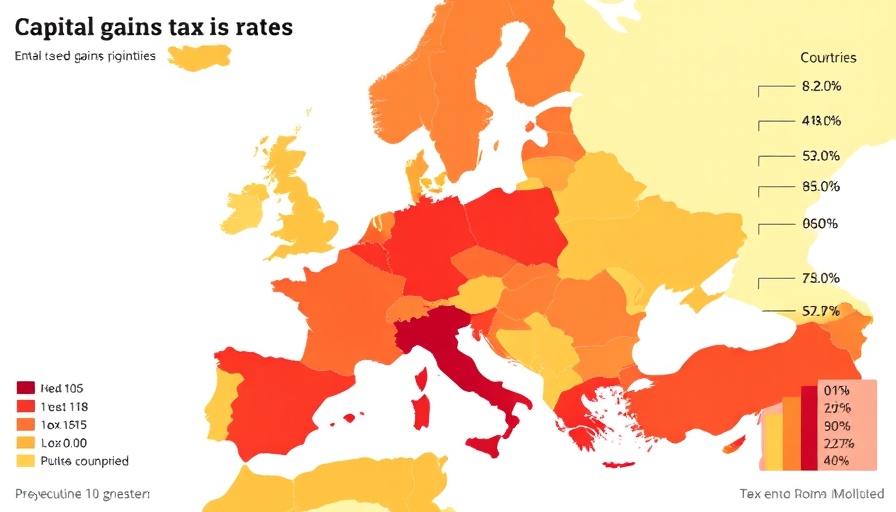
Map showing Capital Gains Tax Rates in Europe 2025, color-coded by rate.

Capital Gains Tax in Europe: Understanding the 2025 Landscape

As investment income, like dividends and capital gains, comes with its own unique tax implications, understanding the capital gains tax rates across Europe is vital for investors. Capital gains tax is charged on the profit made from selling an asset, which can include stocks and real estate. For instance, if an individual spends €100 to buy a stock and sells it for €120, the capital gains tax will apply to the €20 gain, impacting investment decisions significantly.

The Consequences of High Tax Rates

One key takeaway from the tax landscape is that higher capital gains tax rates may discourage saving and investment. This is evident with the realization or lock-in effect, where investors hold onto their assets longer due to the tax implications of selling, ultimately hindering economic growth in various economies. For example, while Austria levies a 27.5% tax, countries like Belgium and Cyprus have intricate exemptions making capital gains non-taxable under certain conditions, promoting a more investment-friendly environment.

Comparing Tax Rates: A Broader Perspective

In considering where to invest within Europe, the differences in capital gains tax rates become crucial. For instance, as of 2025, Bulgaria fosters investment with a mere 10% capital gains tax, while Germany’s rate remains higher at about 26.4%. The interactive map provided by institutions such as the Tax Foundation allows investors to gauge their options effectively, weighing the tax implications in various countries and planning their long-term financial strategies accordingly.

Cultural Implications of Tax Structures

The way countries structure their tax systems is reflective of broader cultural attitudes toward investment and economic growth. For instance, Nordic countries like Denmark and Finland have relatively high capital gains tax rates (up to 42%), but also emphasize social welfare systems funded by these taxes. This contrasts starkly with more laissez-faire economic environments in Eastern European nations like Bulgaria and Estonia that encourage lower tax burdens to attract foreign investments.

Looking Ahead: Future Trends in Taxation

As global economic conditions evolve, so too will the landscape of capital gains taxation in Europe. There are advocacy efforts aiming to harmonize tax rates across the EU, which aim to mitigate discrepancies that could distort investment flows. Watching these developments could be crucial for investors aiming to maximize their investment returns while navigating complex tax environments.

The knowledge of capital gains tax rates is essential as they play a significant role in determining investment strategies. As markets shift, staying informed will lead to better financial decisions. It’s important for investors to explore how the varying rates can impact returns in their preferred investment locales.

Industry Insights

Write A Comment

*
*
Related Posts All Posts
12.17.2025

Mastering Your Recruiting Workflow: Essential Steps to Optimize Success

Update Understanding the Importance of Optimizing Your Recruiting Workflow In today’s fast-paced job market, optimizing your recruiting workflow is no longer a luxury but a necessity. With the rise of a candidate-driven market, organizations need to be agile in their hiring processes to attract and retain top talent. Evaluating your current recruitment workflow begins by identifying inefficiencies and streamlining efforts. This article outlines the essential steps to enhance your recruiting practices, ensuring you remain competitive. Evaluate Your Current Recruitment Process The first step to optimizing your recruitment workflow is to assess your current practices. Gathering insights from hiring managers, recruiters, and candidates can reveal inefficiencies and bottlenecks. For instance, utilizing hiring software analytics can help highlight areas like high dropout rates and delays in communication, allowing teams to build a targeted roadmap for improvement. Regular evaluations can lead to reduced time-to-hire and a more positive candidate experience. Collaboration with Hiring Managers: Define Clear Job Roles Defining precise job roles is critical in attracting the right candidates. Collaborating with hiring managers allows organizations to create job descriptions that not only reflect the responsibilities and qualifications but also align with the company's culture and goals. Data-driven insights from previous hiring processes can guide these definitions, ensuring that roles evolve alongside market demands. Streamline Your Screening Process with Technology Effective recruitment hinges on efficiency. Integrating recruitment automation tools can reduce the initial screening process significantly—up to 75%. Automating resume screenings enables recruiters to focus on high-potential candidates and engage them through personalized phone interviews or initial assessments. Also, leveraging AI-powered chatbots can maintain candidate engagement throughout the process by providing real-time updates and addressing common queries. Enhance Candidate Experience for Better Engagement Creating a seamless candidate experience is vital for retention during the hiring process. Personalized communication, timely feedback, and keeping candidates informed are key strategies. Research shows that a significant percentage of candidates prefer being kept in the loop, with 96% willing to apply to companies known for transparency. By providing constructive feedback, candidates gain insights into their applications, which can foster positive relationships for future opportunities. Implement Structured Onboarding Programs Once candidates are hired, a structured onboarding process becomes critical. Effective onboarding helps new hires assimilate into the company culture and builds retention. Organizations that invest in onboarding are more likely to see employees succeed in their roles, providing ongoing training and support. This initiative not only boosts employee satisfaction but also enhances overall productivity. In summary, optimizing your recruitment workflow involves understanding your current processes, collaborating to define job roles, leveraging technology for screening, enhancing the candidate experience, and implementing an effective onboarding system. These steps are essential in a landscape that demands adaptability and efficiency in recruiting.

12.16.2025

Why Background Check Subscriptions Are Crucial for Modern Employers

Update Unveiling Background Check Subscriptions: A Must-Have for Modern Employers In today's competitive hiring landscape, an employer's ability to make informed decisions can greatly impact business success. This is where background check subscriptions come into play, providing essential screening services that enhance employee safety and integrity in the workplace. The Essentials of Background Check Subscriptions A background check subscription allows employers to access various screening tools, such as criminal record checks and employment verifications at a flat monthly or annual fee. This simplification of the hiring process not only saves costs but also enhances compliance with important regulations like the Fair Credit Reporting Act (FCRA). Moreover, these subscriptions are designed with user-friendly platforms offering automated workflows that streamline hiring processes. Benefits that Transform Hiring Practices Background check subscriptions are more than just a trend; they are a strategic advantage for employers. Here’s why: Cost-Effective: Subscriptions often provide unlimited checks, reducing the average cost per check significantly compared to individual ones. Continuous Compliance: Regular screenings help employers stay compliant with local, state, and federal employment laws. Instant Access: Services like BeenVerified allow employers to access updated background data quickly, enabling timely hiring decisions. Tailored Solutions: Subscription plans can be customized to fit the specific needs of different industries or particular roles, enhancing the relevance of screenings. The Growing Necessity for Regular Screenings With workplace safety and trust at the forefront, the approach to background checks is evolving. As noted in a comparison analysis of top background check companies for employers like GoodHire and HireRight, frequent monitoring of employee status through background checks has emerged as an important necessity. Providers that offer ongoing updates allow employers to be alerted about significant changes, which is crucial for maintaining a secure work environment. Dissecting Key Company Features When considering a background check subscription service, it's essential to evaluate their offerings and routines: Compliance Tools: Dedicated tools ensure adherence to the FCRA and simplify the documentation process. Ease of Use: Platforms should be user-friendly, providing easy access to manage requests and notifications. Customization: Options for specialized checks can cater to varying business needs, thus enhancing the hiring experience for both parties. Frequently Asked Questions: What You Need to Know As the market for background checks evolves, employers often have many questions about the services available. Here are some common inquiries: What Does a Background Check Include? Background checks typically review identities, past employment, criminal history, and educational background. How Long Do Checks Take? Most background check services provide results within 24-48 hours, depending on the depth of the checks required. Are Background Checks Standardized? No, the specific checks performed can vary significantly based on employer policies and local regulations. Next Steps: Making Informed Choices For employers keen on optimizing their hiring processes, exploring reputable background check subscriptions is a pivotal step. With the ability to access a wide range of checks, meet compliance requirements, and improve hiring efficiency, these subscriptions stand out as essential tools in today’s employment landscape. Understanding your organization's unique needs and exploring various providers can ultimately lead you to the right decision. If you’re looking to streamline your hiring process, now is the time to evaluate your options!

12.15.2025

Unlocking Workplace Potential: Five Key Questions for Internal Customer Satisfaction Surveys

Update Understanding Internal Customer Satisfaction Surveys Internal customer satisfaction surveys are vital tools for organizations aiming to enhance their workplace culture and employee engagement. These surveys help identify strengths and weaknesses by addressing core aspects such as communication, teamwork, and professional development. Crafting the right questions is key to gaining meaningful insights that can drive significant improvements. Five Essential Questions for Effective Surveys To maximize the effectiveness of your internal customer satisfaction surveys, consider including these five essential questions: How satisfied are you with the clarity of communication regarding your tasks and responsibilities? Do you feel that your feedback is valued and utilized by the team? How effectively do you believe your team collaborates to achieve common goals? What professional development resources do you feel are lacking in your current role? How likely are you to recommend this organization to a colleague as a positive workplace? These questions not only address current concerns but also assess future opportunities for growth and development within the organization. Insights into Employee Engagement Research indicates that engaged employees positively influence organizational outcomes. For example, companies with high employee engagement can see a productivity boost of up to 21% and a 10% improvement in customer satisfaction metrics. Prioritizing employee feedback mechanisms leads to an inclusive environment where team members feel valued and understood, ultimately fostering higher retention rates. The Role of Communication in Satisfaction Effective communication is a cornerstone of workplace satisfaction and productivity. Surveys should aim to evaluate how well employees feel informed and supported. Questions probing the timeliness and clarity of company updates can reveal gaps in communication that, when addressed, can significantly enhance team dynamics and collaborative efforts. Understanding Teamwork Dynamics Teamwork dynamics are instrumental in shaping not only workplace satisfaction but also overall performance. An environment that encourages open dialogue enhances collaboration, leading to increased productivity rates—up to 25%. Diverse teams that value different perspectives often report dramatic boosts in revenue, showcasing the importance of inclusive practices. Opportunities for Professional Development Access to professional development significantly influences employee satisfaction. Approximately 70% of employees view professional development opportunities as crucial for their career progression. Conducting surveys to assess these perceptions allows organizations to identify critical gaps and act accordingly, which can enhance employee loyalty by as much as 10%. Feedback as a Tool for Improvement A culture that embraces continuous feedback significantly enhances employee engagement and morale. Regular internal satisfaction surveys promote an open communication culture, encouraging honest inputs that lead to actionable insights. Organizations should prioritize reviewing survey results, implementing changes, and following up with employees to demonstrate a commitment to improvement. Summary and Next Steps Incorporating these essential questions into internal customer satisfaction surveys paves the way for valuable insights that can transform workplace dynamics. Addressing the nuances of communication, teamwork, professional development, and employee feedback ensures a more effective and engaged workforce. Regular evaluations of employees’ sentiments help promote a positive culture and unlock the full potential of your organization. If you are keen on creating a more effective internal satisfaction survey, explore options to customize and implement surveys tailored to the unique needs of your organization.

Terms of Service

Privacy Policy

Core Modal Title

Sorry, no results found

You Might Find These Articles Interesting

T
Please Check Your Email
We Will Be Following Up Shortly
*
*
*