
Add Row
Add Element
Kozi checks and balances
update

Kozi Checks & Balances
Media Site Home

cropper
update
Add Element
  • Categories
    • Kansas Tax Compliance
    • Audit-Proofing Strategies
    • Bookkeeping Basics
    • QuickBooks Optimization
    • Industry Insights
    • Tax Deduction Deep-Dives
    • Local Business Spotlights
    • Payroll Taxes
    • Business Directory
Add Row
Add Element
cropper
update
 Kozi Checks & Balances TaxTactics News 
cropper
update
March 12.2025
2 Minutes Read

Zoho Projects Plus: Revolutionizing Project Management with AI Insights

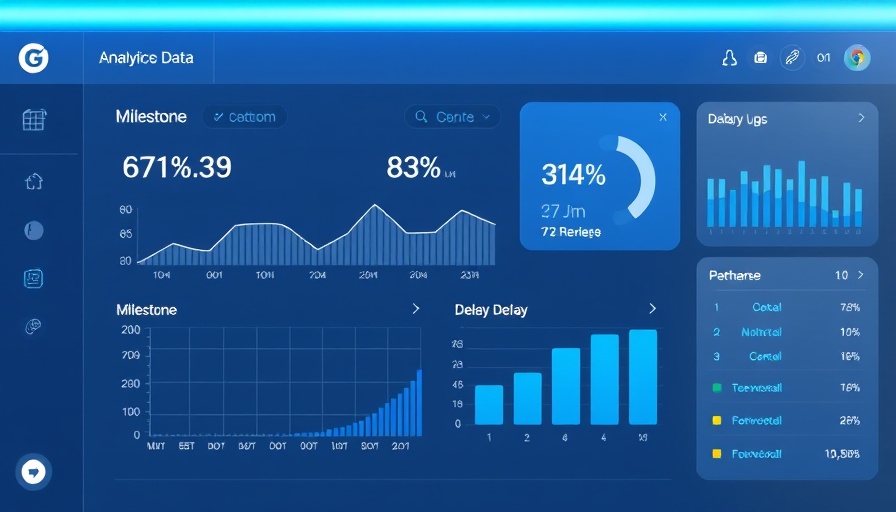
AI project management platform dashboard showing milestone delays

Unveiling Projects Plus: A Game-Changer for Project Management

In a bold move to enhance project management industries, Zoho Corporation has launched Projects Plus, a unified AI-powered platform aimed at empowering mid-sized and enterprise organizations. This innovative service integrates crucial Zoho applications—Projects, WorkDrive, Analytics, and Sprints—into a seamless system designed for real-time collaboration and data-driven decision-making.

The Driving Force Behind Projects Plus

As Zoho has experienced a significant growth spurt, with a 20% year-over-year revenue increase for its Zoho Projects in 2024 and a remarkable threefold rise in user transitions from traditional platforms like Microsoft Projects and JIRA, the launch of Projects Plus positions the company on a trajectory to redefine project management.

“Projects Plus synthesizes the latest AI-driven tools and analytics to provide an experience that meets the evolving needs of global enterprises,” explains Raju Vegesna, Chief Evangelist at Zoho. This platform shifts the paradigm from merely tracking tasks to utilizing predictive analytics for superior foresight in project planning.

AI in Project Management: Transforming Workflow

What sets Projects Plus apart is its robust AI capabilities, such as Predictive Analysis, which leverages historical data to minimize risks and optimize resources. This feature, along with real-time dashboards and automated analytics, promises to enhance every stage of project delivery, improving communication and workflow across teams.


As noted by analysts, the integration of AI not only sharpens operational efficiency but transforms project managers into strategic leaders capable of harnessing insights for improved outcomes. For example, the Quality Control Analytics ensures that all project deliverables meet set standards, significantly enhancing overall projects' success rate.

Real-World Impact: Early Adopters Speak Out

Organizations like Virtuoso have already noticed remarkable improvements. Steve Wooster, VP of Operations at Virtuoso, pointed out that “with Projects Plus, there’s increased visibility and better coordination across teams, leading to more successful project deliveries.” This testimony reflects a sentiment echoed across early adoption reports, highlighting that the roadmap to achieving business goals becomes much clearer and more manageable.

Why Your Organization Should Consider Projects Plus

For businesses pondering over their project management solutions, Projects Plus offers an attractive option that combines functionality with affordability, evidenced by its competitive pricing. Currently available globally, it offers a more cost-effective solution compared to traditional methods. Businesses keen on embracing a streamlined, AI-driven approach would benefit from adopting this advanced platform.

A Future Ready Framework

As we navigate through increasingly complex project management scenarios—often marked by remote work and distributed teams—adopting a data-driven mindset is more crucial than ever. Projects Plus is not just a tool but a fundamental shift towards a smarter future in project collaboration, where all project aspects are integrated and streamlined.

Whether your organization is looking to transition away from older systems or define your project management strategy, investigating Zoho Projects Plus could very well be the key to unlocking new levels of productivity and success.

Industry Insights

0 Comments

Write A Comment

*
*
Related Posts All Posts
03.01.2026

Unlocking Customer Success: Explore the Best Loyalty Program Software

Update Choosing the Best Loyalty Program Software: What You Need to KnowIn today’s competitive marketplace, businesses need effective tools to increase customer loyalty. As brands look to enhance customer engagement and retention, the right loyalty program software can play a pivotal role. With various platforms available, understanding their unique features is critical.Understanding Loyalty Programs in 2026Loyalty programs have evolved far beyond the traditional punch cards of yesteryears. Nowadays, customers expect personalized rewards and seamless integration across multiple channels. Recent studies indicate that nearly 90% of adults in the U.S. participate in at least one loyalty program and 64% say these programs impact their shopping decisions. The challenge for many brands is to create programs that go beyond simple discounts and address individual preferences.Key Features to ConsiderWhen evaluating loyalty program software, businesses should focus on scalability, personalization, and omnichannel capabilities. The best platforms provide businesses with advanced insights into customer behaviors, allowing brands to craft tailored experiences for each customer. For example, software like FiveStars automates customer engagement through its robust platform, combining loyalty programs with marketing strategies to drive repeat business.Diverse Options AvailableHere are some of the standout loyalty programs you should know about:Clavaa: Ideal for local retailers, Clavaa offers easy setup and cashback rewards while providing valuable analytics on customer behavior.TapMango: Known for its custom-branded apps, it supports diverse rewards and marketing automation, making it suitable for both small and large businesses.Square: Integrating smoothly with POS systems, this platform helps track rewards in real time, enhancing customer experiences even in physical stores.Smile.io: Tailored for e-commerce businesses, it simplifies the setup of personalized rewards systems.Kangaroo Rewards: This versatile platform supports both brick-and-mortar and online retailers, allowing businesses to utilize existing customer data to enhance loyalty initiatives.Insights on Future TrendsAs we advance into 2026, there are a few trends to watch in loyalty programs. Companies are increasingly leveraging data analytics and artificial intelligence to personalize customer experiences. This evolution enables brands to send unique, timely offers that resonate with individual customer interests rather than generic rewards. Additionally, brands are integrating loyalty systems with existing marketing platforms to create cohesive, cross-channel strategies that invigorate customer engagement.Conclusion: The Power of Loyalty ProgramsInvesting in loyalty program software is a strategic move for any business looking to enhance customer retention and engagement. With proper implementation, these systems can build lasting relationships with consumers, turning casual customers into fervent advocates. As loyalty programs continue to evolve towards AI-driven, personalized experiences, choosing the right software will be critical to your brand’s success.

02.27.2026

Customer Loyalty Management: Strategies to Cultivate Lasting Relationships

Update Understanding Customer Loyalty Management in Today's Market In the rapidly evolving landscape of business, customer loyalty management has emerged as a fundamental strategy necessary for businesses seeking not just survival but growth. By concentrating on the retention and engagement of existing customers, companies can foster stronger relationships that translate into increased spending and brand advocacy. Research highlights that loyal customers spend up to 67% more over time, making effective loyalty management systems a strategic necessity. The Cost-Effectiveness of Loyalty Programs One compelling aspect of customer loyalty management is its cost-effectiveness. Retaining existing customers is significantly cheaper than acquiring new ones, with estimates suggesting it can cost five to twenty-five times less. Consequently, investing in robust loyalty programs is not merely an up-front cost; it offers substantial long-term savings. Organizations that successfully retain customers can increase their retention rates by a staggering 25% to 95%, showing a direct correlation between loyalty initiatives and revenue protection. Building Strong Emotional Connections Personalization plays an integral role in reinforcing customer relationships. Companies that tailor their interactions based on consumer behavior and preferences can enhance customer satisfaction, leading to stronger emotional connections. As highlighted in a recent article, effective brands evolve their loyalty programs to move beyond transactional rewards, emphasizing recognition and legitimate engagement instead. Challenges in Implementing Loyalty Management Systems While the benefits of customer loyalty management are clear, implementing these systems can come with challenges. Companies often struggle with data hygiene, customer identification, and operational execution that fit their unique strategies. For success, brands must resist the temptation to see AI and personalization as quick fixes, instead integrating these tools meaningfully into their overall customer strategies. Future Predictions for Loyalty Strategies Looking ahead, businesses should brace themselves for a possible convergence of loyalty, membership, and subscription models. As organizations begin blending free loyalty programs with paid memberships, delivering experiential value will become critical. Brands that focus on providing exclusivity and personalized experiences will likely have a competitive edge in establishing sustained customer loyalty. Diverse Perspectives on Loyalty Engagement Examining varied practices in customer loyalty sheds light on the spectrum of what effective engagement looks like. Some companies have excelled by creating communities around their brands, transforming loyalty from mere transactional relationships to genuine partnerships. Loyal customers are not just entities; they are partners whose feedback should actively shape offerings and engagement strategies. Conclusion: Why Customer Loyalty Management Matters In a world where acquiring customers is increasingly expensive, customer loyalty management emerges as an invaluable approach for businesses to foster enduring relationships. By implementing tailored strategies, understanding customer needs, engaging emotionally, and effectively using technology, organizations can build robust loyalty programs that not only drive customer retention but also inspire brand advocacy. Call to Action: As you navigate the complexities of customer loyalty management, take strategic steps towards building meaningful connections with your clientele. Evaluate your current loyalty strategies and consider integrating more personalized customer interactions to witness substantial returns.

02.27.2026

Supreme Court Blocks Trump Tariffs: What This Means for Businesses

Update Supreme Court Ruling: A Landmark Decision on Tariff Authority The recent 6-3 decision by the Supreme Court has significant implications for President Trump’s tariffs, leading to a re-evaluation of executive power in imposing trade taxes. The court ruled that the International Emergency Economic Powers Act (IEEPA), enacted in 1977, did not confer the authority to impose tariffs on foreign goods, reaffirming Congress's role in such fiscal matters. This ruling ends a controversial chapter in U.S. trade policy and could set a precedent for future executive actions regarding tariffs. Unexpected Consequences for Businesses and Trade As the administration scrambles to replace Trump’s nullified tariffs, businesses are facing increasing uncertainty. Many companies are now adopting a cautious approach towards investment and expansion due to the unpredictable nature of the new tariff framework. Economists warn that this may stifle economic growth and lead to a decreased volume of trade as foreign partners reassess their dealings with the U.S., potentially diverting trade routes to countries like China. Financial Ramifications: Refunds and Future Tariff Actions With the Supreme Court's ruling, a pressing question arises: what will happen to the tariffs that businesses have already paid? The court's decision opens pathways for refunds, but given the complexities involved, many importers may face delays in receiving their money back. Economists estimate the new tariff landscape could still result in an effective tariff rate similar to prior levels due to ongoing adjustments under different sections of the Tariff Act of 1974. Global Trade Dynamics in Flux The Supreme Court's ruling may also lead to shifts in global trade dynamics. Experts suggest that countries previously affected by U.S. tariffs are likely to move their trade away from the United States, adopting more fortified trade policies to avoid future tariff risks. The ripple effects of these adjustments could impact everything from agricultural imports to consumer goods pricing, emphasizing the need for businesses to remain agile in their strategies moving forward. Looking Ahead: What Business Owners Should Know As the dust settles on this landmark ruling, businesses must stay informed about potential new tariffs under the Trade Act’s different sections. Understanding the implications of these shifts is critical for making educated decisions about future investments. Business leaders are encouraged to engage with trade policy experts to navigate the evolving landscape effectively.

Terms of Service

Privacy Policy

Core Modal Title

Sorry, no results found

You Might Find These Articles Interesting

T
Please Check Your Email
We Will Be Following Up Shortly
*
*
*