



A Surge in Small Business Sales Amid Inflation Concerns
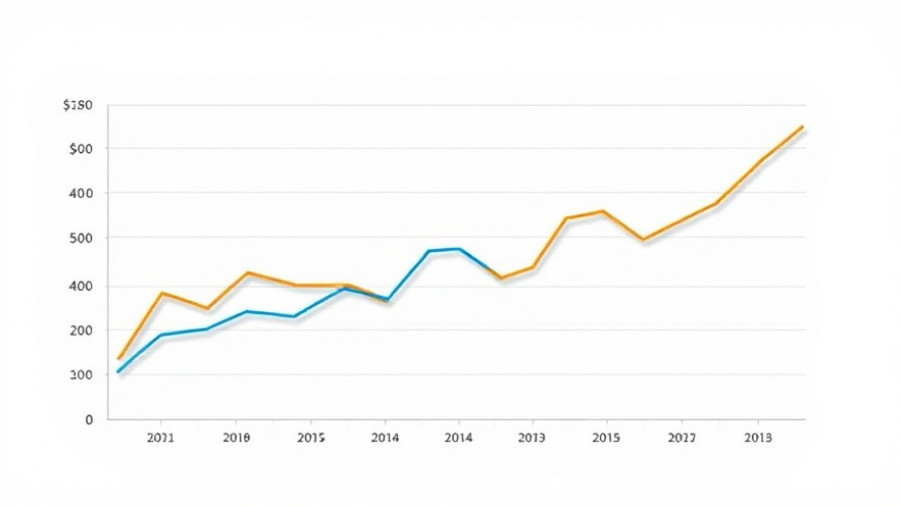
The small business market is undergoing a notable transformation, as owners accelerate sales in response to inflationary pressures and other economic uncertainties. Recent data from BizBuySell reveals that completed small business sales climbed to 2,599 in Q3 2025, reflecting an 8% year-over-year increase and an 11% surge from the prior quarter. Total transaction values have reached $2.13 billion, indicating heightened activity in an uncertain economic climate.
Understanding the Need for Urgency Among Sellers
Despite the apparent uptick in sales, this trend is not driven by optimism; instead, many owners are compelled to sell due to the financial toll of inflation and ongoing tariff increases. The Buyer-Seller Confidence Index — which measures owner sentiment — has slipped below neutral, falling from 50 to 48. More than half of surveyed owners indicated their operating costs have risen due to tariffs, while the majority acknowledged that inflationary pressures continue to impact their bottom line. Specifically, Donny Ravas, who runs Dell Transport, highlights soaring insurance and maintenance costs as pressures that have significantly affected smaller businesses like his.
Strategic Selling in an Accelerated Market
Interestingly, the current climate has instigated a belief among sellers that the time to sell is now. About 55% of small business owners feel they can achieve their want price today, while 60% fear that postponing a sale could yield lesser offers. Speed is a core aspect of today’s transactions, as businesses are spending a median of just 149 days on the market — the shortest duration since 2017. This swift deal cycle reflects buyers' eagerness to take advantage of current market conditions.
The Emergence of Corporate Refugees as Buyers
A noteworthy trend among buyers is the rise of “corporate refugees” — individuals who are leaving their corporate jobs to pursue business ownership. Around 40% of current buyers fit this category, often targeting essential service sectors that are deemed recession-resilient, such as HVAC, plumbing, and landscaping. This shift towards service-heavy industries indicates buyers are focusing on sectors that can withstand economic fluctuations.
The Impact of Economic Pressures on Valuations
While buyer interest remains robust, the median sale prices are trending downward. The average sale price decreased to $320,044 in Q3, reflecting a broader trend in declining profitability among sellers. Similar patterns are noted in cash flow and revenue, both experiencing dips year-over-year. As costs escalate, sellers are increasingly undervalued, which contributes to the decline in sale prices. This implies that buyers are not merely scoring great deals through better negotiation, but the very structure and health of businesses for sale are in question due to rising expenses.
Looking Ahead: Opportunities and Challenges in Small Business Sales
The current environment has created a dynamic marketplace bursting with potential for both buyers and sellers. For those contemplating retirement, now may be an ideal moment to sell, even if it isn’t perfect from a market perspective. With the Federal Reserve suggesting potential interest rate cuts, funding might become easier, leading to even more acquisition opportunities in the coming years. Business owners, however, are advised to focus on their readiness for sale over economic signals to achieve the best outcomes. In summary, while challenges persist, a focus on service sectors and strategic positioning will remain key for navigating these evolving market conditions.


Write A Comment