
Add Row
Add Element
Kozi checks and balances
update

Kozi Checks & Balances
Media Site Home

cropper
update
Add Element
  • Categories
    • Kansas Tax Compliance
    • Audit-Proofing Strategies
    • Bookkeeping Basics
    • QuickBooks Optimization
    • Industry Insights
    • Tax Deduction Deep-Dives
    • Local Business Spotlights
    • Payroll Taxes
    • Business Directory
Add Row
Add Element
cropper
update
 Kozi Checks & Balances TaxTactics News 
cropper
update
February 02.2025
3 Minutes Read

Unlocking the Potential of Confirmation Emails for Your Business

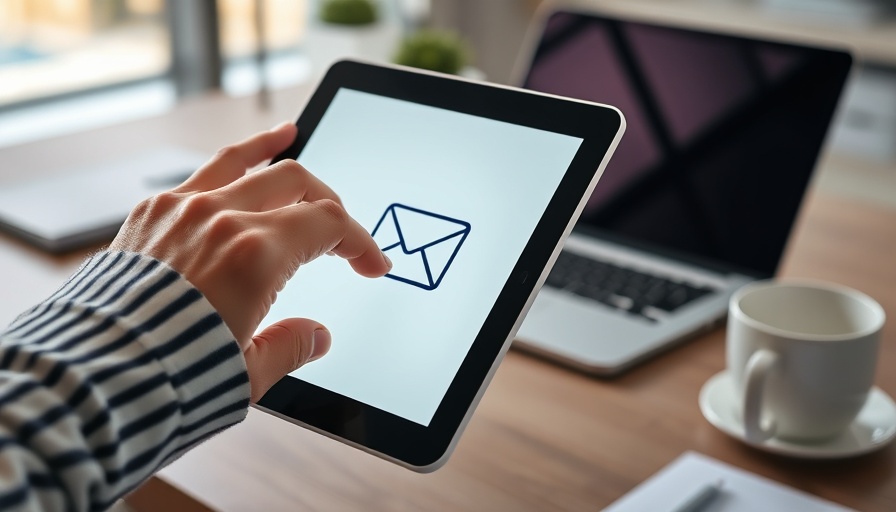
Person checking confirmation emails on a tablet with office setup.

Understanding the Power of Confirmation Emails

Confirmation emails might seem like a simple formality, but they play a crucial role in business communication that can significantly enhance customer experience. Whether it’s for a restaurant reservation or a product purchase, these emails serve as immediate feedback for customers, assuring them that their actions have been successfully processed. Think of a confirmation email as an assurance blanket, wrapping the consumer in the comfort of knowing their transaction is recognized and logged.

Different Types of Confirmation Emails

Every interaction between a business and its customer can involve a variety of confirmation emails, each tailored to specific situations. From flight bookings to subscription sign-ups, these messages hold different nuances. Here’s a closer look at the types:

  • Reservation Confirmations: Essential for restaurants and hotels, these emails help prevent overbooking and reassure patrons.
  • Order Confirmations: When customers place orders online, they expect clarity. A well-crafted order confirmation email includes details like the items purchased and total cost.
  • Webinar Confirmations: In the domain of online learning, it’s useful to confirm registrations and provide details about the session agenda.

By identifying and using the right type of confirmation email, businesses foster a stronger relationship with their clientele.

Essential Elements of a Good Confirmation Email

Let's delve into the nuts and bolts of crafting a confirmation email that resonates with readers:

Crafting a Clear Subject Line

The subject line is paramount; it’s the first impression your email makes. It should immediately convey the essence of the email. Simple phrases like “Order Confirmation [#12345]” provide clarity and urgency. Such a subject line grabs the recipient's attention, prompting them to open the email without delay.

Inclusion of Detailed Information

After the subject line, the body of the email must shine with detailed insights. Transparency is key. Customers should find clear information about their transaction, including the order number, product details, and total cost. For example, an email confirming a flight should not only include flight details but also offer information on baggage policies or travel tips, inviting further interaction.

Reiteration of Next Steps

For the best user experience, hint at what happens next. If customers need to take additional actions, like verifying their email or preparing for an event, the confirmation email should guide them seamlessly toward those steps.

Future Trends in Confirmation Emails

As technology advances, so do customer expectations. The future of confirmation emails lies in personalization and automation. AI-driven analytics can forecast a customer’s needs based on previous interactions, allowing businesses to tailor confirmation emails accordingly. Imagine opening a confirmation email that suggests best times for delivery or links to related products. Confirmations as personalized recommendations could redefine customer engagement.

Common Misconceptions About Confirmation Emails

Despite their importance, many businesses underestimate the value of confirmation emails. A common misconception is that these messages are redundant. In reality, they ensure clarity in communication and help build trust with customers. When done right, confirmation emails can be a cornerstone of an effective communication strategy.

Harnessing the Impact of Confirmation Emails

Confirmation emails are more than mere acknowledgments; they are strategic touchpoints that can enhance customer loyalty and boost business efficiency. By understanding what makes an effective confirmation email, businesses can better engage with their audiences. Remember, in this digital age, every detail matters, and confirmation emails should reflect that philosophy. Seize the opportunity to refine your email communications today!

Bookkeeping Basics

Write A Comment

*
*
Related Posts All Posts
01.18.2026

Unlock Efficiency: Best Payroll Data Solutions for Small Businesses

Update Understanding Payroll Data Solutions: Key Features and BenefitsChoosing the right payroll data solution is pivotal for small businesses seeking to streamline their payroll processes, enhance compliance, and ultimately boost employee satisfaction. Payroll software systems like Gusto, QuickBooks Payroll, and ADP RUN are designed to cater to the unique needs of small business owners, making compliance and payroll management easier. By selecting the right software, businesses can not only save time but also ensure accurate and timely payments to their employees.Automating Payroll: The Key to EfficiencyPayroll services are becoming increasingly essential for small businesses, and for good reason. They automate the tedious tasks associated with payroll management, such as tax calculations and filing. For instance, Gusto automates tax remittances and allows unlimited payroll runs starting at just $55 per month, which is incredibly advantageous for startups aiming to minimize expenses and crunch time during the payroll cycle. Notably, these systems provide easy employee access to their information, making the payroll process transparent and efficient.Compliance Made Easy with Integrated SolutionsCompliance with federal and state regulations can be daunting for small businesses. Established payroll solutions like Paychex Flex® not only allow customizable payroll packages but also include features such as online tax filing and employee training support. This ensures that business owners stay compliant without feeling overwhelmed. Moreover, the integration of payroll software with accounting platforms like QuickBooks mitigates the common errors associated with manual data entry, ensuring accurate and error-free payroll processes.The Value of Next-Day Direct DepositsEmployee satisfaction is critical, and timely payments can significantly influence morale and retention. Features such as next-day direct deposits, offered by services like Justworks, are invaluable for boosting employee satisfaction. By ensuring that employees receive their pay promptly, businesses can maintain high levels of trust and satisfaction among their workforce.Conclusion: Making the Right Choice for Your BusinessIn a world where time is precious, leveraging the right payroll data solution can effectuate significant changes in overall business efficiency. Whether it’s reducing human error, avoiding compliance penalties, or ensuring employee contentment through timely pay, the right payroll strategy can make a world of difference. So why hesitate? Embrace the technology that can unlock unparalleled efficiency in your payroll process and watch your business thrive.

01.17.2026

Master Effective Upselling Techniques to Transform Your Sales Strategy

Update SEO Keyword: Effective Upselling TechniquesIf your business journey involves sales, then mastering effective upselling techniques is crucial for driving revenue and enhancing customer relationships. Upselling isn't merely about convincing customers to purchase more; it's about providing tailored solutions that meet their evolving needs while boosting your bottom line.Communication is KeyIn the realm of upselling, effective communication cannot be overstated. With 70% of customers appreciating personalized interactions, honing your skills to utilize open-ended questions and practice active listening creates a rapport that encourages customer engagement.Studies indicate that active listening can boost customer satisfaction by up to 20%, a vital statistic that underscores the importance of truly understanding your clients. Beyond just words, non-verbal cues play a massive role; 93% of communication's effectiveness stems from body language and tone. Thus, by prioritizing these techniques, sales professionals can create more meaningful interactions that naturally lead to upsell opportunities.Building Confidence Through Role PlayAdopting upselling training that incorporates role-playing scenarios can enhance a sales team's confidence significantly. Research shows that practicing in a risk-free environment can boost an individual’s abilities by as much as 25%. By simulating real sales situations, professionals can address common objections they face and create customized responses that resonate with prospective buyers.These exercises not only refine their endurance against potential winning moves but also embed a collaborative atmosphere among teammates, fostering a culture where successes can be celebrated and learned from seamlessly. This technique raises the bar for performance and results.Leveraging Data for PrecisionData analytics is another pivotal factor in effective upselling. By utilizing analytics tools, sales teams can track success rates in real time, adjusting strategies as needed. Understanding customer purchasing patterns allows businesses to pinpoint where upselling opportunities are ripe.A/B testing can further illuminate which strategies yield the highest conversion rates, especially when determining when and how to position an upsell. The data-driven approach equips sales professionals to make informed decisions that reflect customer needs rather than guesswork.The Art of ProbingDuring upselling efforts, incorporating probing questions is vital. These inquiries help uncover the true needs of the customer, enabling sales representatives to suggest personalized options that perfectly align with those needs. Real-time feedback during these interactions facilitates ongoing improvement and fine-tuning of upselling techniques.Embrace Continuous LearningFostering a culture of continuous learning within your sales team empowers them to remain adaptable in mastering upselling techniques. After all, the landscape of customer preferences is dynamic. Implementing real-time feedback mechanisms not only hones their skills but also encourages a mindset of progress and development.In conclusion, effective upselling isn't just about pushing a product; it's about creating a mutually beneficial relationship with customers by understanding and addressing their needs. Whether through enhanced communication, role-playing scenarios, data analytics, or asking the right questions, your sales strategy should aim for a synergy that cultivates loyalty and maximizes revenue. Now, reflect on how these strategies can inspire your approach to sales and implement them in your next training session to embrace the path to success.

01.15.2026

What Makes Client Loyalty Programs Effective for Business Growth?

Update Understanding Client Loyalty Programs: The Key to Retention A client loyalty program is a powerful strategy used by businesses to strengthen customer loyalty and boost repeat purchases. At its core, this program rewards customers for their dedication to a brand through a structured points system or exclusive benefits. As consumers increasingly prioritize experiences and relationships over simple transactions, understanding how these programs function can illuminate their influence on business success. Unlocking the Benefits of Client Loyalty Programs Studies show that customers enrolled in loyalty programs spend an average of 18% more than those who are not. This statistic underscores the value of nurturing long-term consumer relationships. By rewarding repeat business and engagement, loyalty programs help businesses not only retain customers but also enhance their overall perception in the market. This makes a well-designed loyalty program a win-win for both clients and businesses. How Do Client Loyalty Programs Operate? Typically, the process begins with a customer registering for a loyalty program, where they provide personal contact information that allows the business to create an account with a unique membership ID. This ID is crucial as it is used to track spending and point accumulation. Customers earn points for each purchase, which can later be redeemed for discounts, complimentary products, or other perks. The more a customer spends, the more they benefit. The Evolution of Loyalty Programs: From Punch Cards to Digital Solutions Loyalty programs have transformed significantly from simple punch cards and stamps to sophisticated systems tailored to meet the preferences of today's consumers. The rise of technology has enabled businesses, especially small and midsize enterprises (SMEs), to create dynamic and personalized loyalty offerings that were once the domain of larger corporations. For instance, many advanced point-of-sale systems now seamlessly integrate loyalty programs, providing on-the-spot rewards during the checkout process. Designing Effective Loyalty Programs: Strategies for Success In crafting a client loyalty program, businesses must first establish clear objectives. Common goals include increasing the frequency of repeat purchases, boosting customer engagement, and enhancing overall client satisfaction. Implementing tiered benefits is another effective strategy, which incentivizes customers to spend more for greater rewards, creating an atmosphere of appreciation and value. Leveraging Data for Powerful Outcomes Beyond just accumulating points, these programs provide businesses with critical insights into customer behavior and preferences. This data enables companies to tailor their marketing strategies, offer personalized rewards, and recognize future trends, ensuring that loyalty programs evolve alongside consumer expectations. Engaging clients with relevant, timely rewards not only solidifies loyalty but also cultivates deeper connections, paving the way for brand advocacy. Final Thoughts: The Future of Client Loyalty The landscape of client loyalty programs is continually evolving, driven by technological advancements and changing consumer preferences. As businesses navigate these changes, maintaining flexibility and a focus on customer-centric strategies will be essential for fostering loyalty and driving long-term growth. With the right insights and tools, organizations can build loyalty programs that not only retain customers but initiate a strong cycle of loyalty and engagement.

Terms of Service

Privacy Policy

Core Modal Title

Sorry, no results found

You Might Find These Articles Interesting

T
Please Check Your Email
We Will Be Following Up Shortly
*
*
*