
Add Row
Add Element
Kozi checks and balances
update

Kozi Checks & Balances
Media Site Home

cropper
update
Add Element
  • Categories
    • Kansas Tax Compliance
    • Audit-Proofing Strategies
    • Bookkeeping Basics
    • QuickBooks Optimization
    • Industry Insights
    • Tax Deduction Deep-Dives
    • Local Business Spotlights
    • Payroll Taxes
    • Business Directory
Add Row
Add Element
cropper
update
 Kozi Checks & Balances TaxTactics News 
cropper
update
August 20.2025
3 Minutes Read

Revolutionize Your Business: Explore No-Code AI Platforms for Building Apps

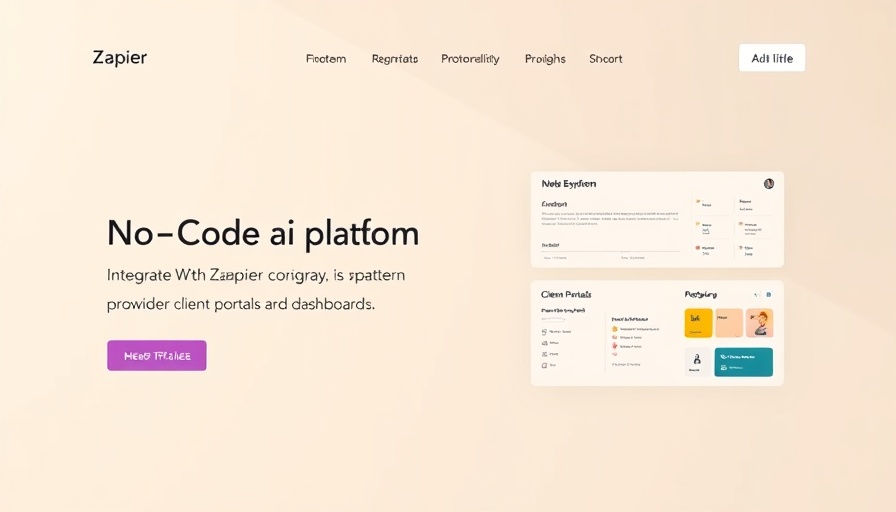
Interface of a No-Code AI platform with Zapier integration, highlighting app development features.

Unlocking the Future: No-Code AI Platforms Revolutionize App Development

The no-code movement is not just a trend—it's transforming the landscape of digital product development. With the proliferation of no-code AI platforms, aspiring entrepreneurs and business managers now have unprecedented access to tools that allow them to build working applications without a single line of code. These platforms break down the barriers once held by developers and create a more inclusive environment for innovation.

Understanding No-Code Platforms: Bridging Accessibility and Technology

No-code AI platforms blend user-friendly interfaces with advanced artificial intelligence to automate complex workflows and simplify app development. This is particularly beneficial for startups and small businesses that may lack the resources to hire a full team of developers. As technology continues to evolve, embracing no-code solutions enables organizations to keep pace with industry demands while fostering creativity and agility.

Spotlight on the Best: Top No-Code AI Platforms to Consider

Here are four standout platforms that exemplify the potential of no-code AI in today's fast-paced market:

  • Zapier Interfaces - Best for Workflow-Driven Business Tools: Zapier Interfaces turns automated triggers into usable web apps, seamlessly integrating with over 8,000 existing tools. It’s ideal for teams aiming to enhance internal operations by creating dashboards and customer portals based on intuitive visual designs.
  • Famous.ai - Best for AI-Generated Production-Ready Applications: Users can generate a fully deployable app by simply describing their vision in plain language, making it perfect for rapidly iterating on ideas. Famous.ai simplifies the process of app creation by requiring no technical expertise.
  • Akkio - Best for No-Code Predictive Analytics: With an emphasis on data-driven decisions, Akkio allows users to leverage machine learning insights without extensive data science backgrounds, making it an invaluable tool for businesses looking to improve operational efficiency.
  • Backendless - Best for Full-Stack No-Code with AI Automation: This platform provides comprehensive solutions for building apps from scratch without coding, encompassing everything from server management to user authentication.

Choosing the Right Platform: Aligning with Your Needs

Determining which no-code AI platform suits your needs depends on several factors, including the scale of your project, desired features, and your team's technical capabilities. For teams already using Zapier, the transition to creating internal tools becomes a natural next step that harnesses their existing workflows.

Embracing Trends: The Impact of No-Code in the Business World

The emergence of no-code AI solutions signifies a pivotal shift in how businesses operate. Companies can now react more swiftly to market demands or customer feedback since they can develop and deploy applications rapidly. This agile methodology can lead to innovative business models and increased competitiveness among smaller firms.

Final Thoughts: The Future of Development is No-Code

No-code AI platforms enhance how businesses approach application development, allowing for more unique ideas to see the light of day. The democratization of tech tools empowers not just developers, but also marketers, managers, and entrepreneurs who have the vision and need to innovate. With these tools at your disposal, the only limitation is your imagination.

Bookkeeping Basics

Write A Comment

*
*
Related Posts All Posts
12.14.2025

Gas Prices Drop to $2.94: What This Means for Small Businesses

Update The Dip That Could Drive Change: An Overview of Current Gas Prices The holiday season is shaping up to be more affordable for drivers across the nation, as gas prices have dipped to an average of $2.94 per gallon, marking the lowest rates in four years. This five-cent decline from last week’s prices reflects a significant shift in the economic landscape for businesses reliant on transport. AAA representatives highlight the potential for increased consumer spending as holiday travelers hit the roads with more disposable income, thanks to lower fuel costs. Fuel Prices and Consumer Behavior: A Possible Boost for Small Businesses As gas prices remain under $3—a threshold not seen since early December 2024—businesses may capitalize on this trend. Lower fuel costs not only reduce operational expenses but also encourage consumer spending. When families save on fuel, they tend to spend more on shopping and dining out, leading to better revenues for local establishments. Businesses that leverage this opportunity through targeted marketing can attract the influx of holiday travelers keen on unique experiences and seasonal offers. Monitoring Market Trends: Why Small Business Owners Should Pay Attention The recent uptick in gasoline demand, indicated by a rise from 8.32 million barrels per day to 8.45 million, signals that while prices are currently favorable, changes on the horizon could flip the script. With oil production on the decline, businesses must keep a keen eye on fuel market trends to anticipate possible spikes in future costs. As this period of savings unfolds, small business owners should remain proactive, not only in managing fuel costs but also in planning for how they can hedge against future price increases. The Regional Landscape: Understanding Local Pricing Variability While many states see declining rates, significant discrepancies in gas prices reveal a complex regional landscape. For instance, Hawaii still faces the highest rates at $4.44 a gallon, while Oklahoma and Texas boast much lower prices at $2.36 and $2.51, respectively. For businesses operating in higher-price states, the continued fluctuation in gas prices poses an immediate concern that could affect profit margins and pricing strategies. Understanding these local dynamics is essential for effective decision-making. Future of Fuel: Opportunities and Innovations for Small Businesses In light of fluctuating fuel prices and an increasing emphasis on sustainability, businesses should consider diversifying their transportation methods. Investing in fuel-efficient technologies or exploring alternative transports like electric vehicles (EVs) could lead to significant long-term savings. Currently, charging EVs costs around 38 cents per kilowatt-hour—this could present a sustainable way to drive down operational costs while contributing to environmental goals. The convergence of economic and ecological benefits could just be the edge small businesses need in this competitive market. In conclusion, the current dip in gas prices presents a unique window of opportunity for small business owners to enhance their strategies and maximize consumer engagement. However, with the ongoing fluctuations in the oil market, remaining vigilant and adaptable is crucial. As the national economy fluctuates with fuel prices, businesses must stay agile to harness opportunities and mitigate risks effectively.

12.13.2025

How to Elevate Your Business with Effective Customer Surveys

Update Unlocking Valuable Insights: Best Practices for Customer Surveys When it comes to gathering customer feedback, creating effective surveys is crucial for understanding your audience. Implementing best practices in customer surveys can significantly enhance the quality of insights you collect. Define Clear Objectives for Your Surveys Before diving into creating survey questions, it's essential to define clear objectives. Establishing specific goals at the outset provides direction and focus, ensuring that every question serves a purpose aligned with your desired insights. By narrowing down your objectives, you limit the risk of including unrelated questions that could confuse participants. This clarity not only improves the survey’s overall effectiveness but also helps prioritize actionable business decisions based on respondents' feedback. Craft Concise and Engaging Questions Once objectives are set, crafting engaging survey questions that resonate with respondents is key. Aim for clarity by keeping questions short and straightforward—avoiding jargon that may alienate some participants. Popular best practices suggest mixing open-ended questions with closed ones; however, keeping open-ended queries limited helps prevent survey fatigue. Additionally, pre-testing your survey with a small group can unveil any potential biases or confusing phrasing in your questions, leading to a better end product. Utilize User-Friendly Survey Platforms Selecting the right survey platform can make or break your data collection efforts. An effective platform should offer a user-friendly interface and real-time tracking features. Tools like SurveyMonkey and Google Forms provide templates that expedite survey setup while ensuring ease of use for respondents. With the right platform, the chances of higher response rates and more accurate feedback significantly increase, thus amplifying the overall effectiveness of your survey process. Analyze Feedback for Actionable Insights Once data is collected, analyzing feedback is essential for identifying trends and making informed decisions. Use advanced analytics tools to break down data patterns, which can highlight key customer pain points. Learning how to prioritize changes based on this feedback can lead to significant improvements in user experience, fostering loyalty and retention in your customer base. Furthermore, employing strategies like net promoter scores (NPS) can provide long-term insights into customer sentiment about your brand. Continuously Improve Your Survey Process Taking a cyclical approach to your survey design is vital. Regularly reviewing your methodologies and refining techniques based on customer feedback can foster a more effective survey process. Incorporating user suggestions about survey length, timing, and content can significantly enhance response rates and data quality. Additionally, remember that response rates may decline if surveys become too lengthy or intrusive, so keeping surveys concise is pivotal. Closing the Loop with Customers Lastly, maintaining communication with survey respondents is essential. Close the feedback loop by thanking participants for their time and input, and communicate any changes implemented based on their suggestions. Doing so not only establishes trust but also encourages future participation in surveys, allowing for comprehensively better customer insights over time. This ongoing dialogue fosters a stronger relationship with your customers, enhancing their loyalty and willingness to engage. Final Thoughts By adhering to these best practices for customer surveys, businesses can glean richer insights and ultimately drive better decision-making processes. With thoughtful design, efficient tools, and meaningful analysis, surveys can transform into powerful instruments for better understanding customer expectations.

12.12.2025

Is Your Software Implementation a Success? Essential Questions Small Businesses Must Ask

Update Evaluating the Success of Small Business Software Implementation Implementing new software in a small business can feel like jumping into a deep end without a life jacket. But like every significant transition, it requires a careful assessment to determine whether the investment has delivered tangible results. Here, we dive into the critical follow-up questions every small business should ask to measure the success of their software implementation and ensure that every penny spent yields value. Reflecting on Your Software's Impact First off, businesses need to revisit the initial problems they set out to solve. Did the new software tackle those challenges effectively? Revising specific processes becomes paramount. Were tasks simplified? Did operations become more efficient? By taking an honest look at the key performance indicators (KPIs) that matter most to their operations, small businesses can measure their progress. These KPIs should be tailored to the unique needs of the business, allowing a clearer vision of whether the software is genuinely aiding in resolving issues or simply adding to the existing complexities. Gauging Employee Experience No software can gain traction without the backing of the team. If employees are resistant or disengaged, it’s a clear sign that something isn't working. Conducting anonymous surveys or fostering open dialogue within the company can shed light on genuine user feedback and engagement levels. Direct feedback not only enhances morale but can also supply insightful data on which functionalities are working and which are falling short. After all, a software solution is only as effective as the people using it. Setting Up for Continuous Improvement After a software implementation, it’s essential to monitor ongoing performance continually. Sometimes, the initial rollout sparks unforeseen benefits or identifies new challenges. Regular check-ins can facilitate this process, where teams can address what’s going well and what is not. Incorporating lessons learned into future software decisions will encourage adaptability and can lead to more successful implementations down the line. Common Pitfalls in Software Adoption Even with the best intentions, software implementations can falter. Issues such as inadequate training, lack of communication, or failure to align the software capabilities with business goals can hinder effectiveness. By analyzing post-implementation performance reports, companies can isolate the root causes of shortfalls and make data-supported adjustments. Conclusion: Embrace the Feedback Loop Understanding the success of software implementation is an element of ongoing growth in the constantly evolving landscape of business operations. By fostering an environment that encourages open feedback and assessment, small businesses can develop a more dynamic workplace culture geared toward collaboration and success. So, take the time to evaluate and, if necessary, pivot based on feedback and data-driven insights. For small businesses looking to refine their approach to software implementation, maintaining this feedback loop can transform experiences into actionable insights, propelling future growth and success.

Terms of Service

Privacy Policy

Core Modal Title

Sorry, no results found

You Might Find These Articles Interesting

T
Please Check Your Email
We Will Be Following Up Shortly
*
*
*