
Add Row
Add Element
Kozi checks and balances
update

Kozi Checks & Balances
Media Site Home

cropper
update
Add Element
  • Categories
    • Kansas Tax Compliance
    • Audit-Proofing Strategies
    • Bookkeeping Basics
    • QuickBooks Optimization
    • Industry Insights
    • Tax Deduction Deep-Dives
    • Local Business Spotlights
    • Payroll Taxes
    • Business Directory
Add Row
Add Element
cropper
update
 Kozi Checks & Balances TaxTactics News 
cropper
update
January 25.2025
2 Minutes Read

Arkansas Proposes Tax Reforms to Boost Remote Work Competitiveness

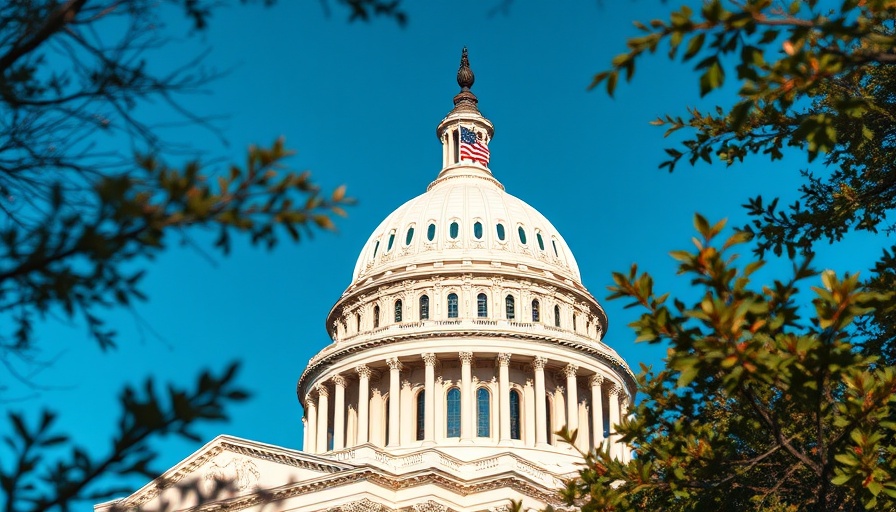
Capitol dome with flag under blue sky, symbolizing tax reform.

Arkansas Takes Bold Steps in Remote Work Taxation

In the wake of a changing employment landscape, where remote work has become the norm, Arkansas is poised for critical tax reforms aimed at simplifying conditions for non-resident workers. As it stands, the state has modernized its tax code over the last decade, yet challenges remain, particularly in the realm of taxation for those who only occasionally work in the Natural State.

Understanding the Proposed Changes

Representative David Ray has introduced HB 1116, the Remote and Mobile Work Modernization and Competitiveness Act, which seeks to revolutionize how Arkansas approaches non-resident income tax. The bill proposes to facilitate reciprocity agreements with other states, allowing workers to pay taxes only in their state of residence. This not only simplifies tax compliance but also encourages out-of-state talent to consider working in Arkansas.

Why These Changes Matter

The current structure can overwhelm remote workers who may only spend a day in Arkansas yet face potential tax liabilities. By proposing an income exemption threshold for the first $2,500 of Arkansas-sourced income, the bill alleviates some of this burden. Furthermore, the plan to exempt employers from withholding taxes for short-term work under 15 days aligns Arkansas with a growing trend across the nation.

The Broader Implications

As businesses increasingly hire talent from different states, these amendments reflect a broader national trend towards accommodating remote work. States with similar tax protocols have already seen a boost in their workforce, making adjustments to taxation critical for Arkansas’s competitiveness. The potential for these reforms highlights the importance of adaptability in economic policies.

How Arkansas Can Lead

Arkansas stands on the threshold of facilitating significant economic growth through these reforms. By adopting a more modernized and flexible tax system, it can not only attract more qualified candidates but also support existing businesses in a competitive hiring environment. If fully realized, these provisions could set the stage for Arkansas to emerge as a leader in the remote work economy.

Payroll Taxes

0 Comments

Write A Comment

*
*
Related Posts All Posts
01.22.2026

How OBBBA Tax Cuts Could Transform the US Economy and Impact You

Update Understanding the Impact of OBBBA Tax Cuts on the US Economy The One Big Beautiful Bill Act (OBBBA) has reignited discussions about its potential to enhance the United States economy. Passed with a commitment to extend the Tax Cuts and Jobs Act’s provisions, these tax cuts promise to reduce individual tax burdens and incentivize economic growth. The Promising Projections of Economic Growth Proponents of the OBBBA argue that it could lead to a substantial boost in GDP, with estimates suggesting an increase by about 1.2% in the coming years. This is attributed largely to the extension of lower marginal tax rates on work, saving, and investment. The Congressional Budget Office (CBO) has upped its forecast predicting a strong GDP growth trajectory, reflecting a revised rosier outlook for 2026 and 2027. New Challenges Surpassing the Tax Cuts However, the realities of economic policy are intertwined with a myriad of challenges, including ongoing tariffs introduced during the previous administration. These tariffs are expected to offset some of the anticipated benefits of OBBBA, potentially reducing GDP growth by about 0.5%. Moreover, fluctuating immigration policies pose further challenges to labor market growth. The Role of Artificial Intelligence in Boosting Growth Interestingly, the current surge in economic activity is being further propelled by breakthroughs in artificial intelligence (AI). Many economists believe the growing AI market is significantly contributing to GDP growth, highlighting the importance of technological advancement alongside tax policy reform. Barclays reported that nearly half of the growth seen in recent financial reports can be attributed to spending in this burgeoning sector. A Unique Opportunity for Businesses For local businesses, understanding OBBBA's details can lead to strategic opportunities. Lower tax rates and enhanced business expense deductions could provide them with the capital needed for expansion and innovation. Sectors like agriculture and construction are projected to reap significant benefits, while service-oriented businesses could experience increased demand due to more disposable income in consumers' pockets. The Future of Economic Policy and Growth As we evaluate the landscape for OBBBA's effects on the economy, it remains clear that policymakers face the challenge of navigating fiscal responsibility while fostering growth. The interplay between tax cuts, technological progress, and tariff constraints will shape the economic fabric of the coming years. The OBBBA is not just about cutting taxes; it’s about transforming the economic strategy for years to come. To embrace the best potential outcomes, businesses and individuals must stay informed about these changes and adapt accordingly.

01.21.2026

Why North Carolina Does Not Need Higher Local Taxes for Growth

Update Why North Carolina's Local Tax Structure is SufficientIn recent years, North Carolina has demonstrated a remarkable economic growth trajectory, leading to a significant rise in local tax revenues without needing to impose additional taxes on its citizens. Thanks to careful tax reforms implemented since 2013, local governments have benefited from a robust increase in their revenues, primarily driven by sales taxes, property taxes, and a broader tax base that continues to grow at a rate surpassing inflation and population growth.Understanding the Growth in Local RevenuesLocal spending in North Carolina has surged, fueled by a thriving economy marked by a steady population increase from about 9.9 million in 2013 to nearly 11 million in 2023. This influx is primarily due to the state's attractive business environment, particularly in evolving sectors such as tech, healthcare, and financial services. In this context, there is no pressing need for local governments to raise taxes when they are already capitalizing on expanding sales, property, and income from existing tax structures.The Misconception of the Need for Higher TaxesSome policymakers may argue that higher taxes are necessary to cover increased local expenditures. However, this perspective overlooks the reality that local governments are already generating adequate revenue through existing frameworks. Recent reports indicate that local-source revenue has grown significantly faster than both population and inflation combined since fiscal year 2013. This suggests that North Carolina's local tax authority is not only sufficient but thriving under current conditions.Future Implications of Maintaining Current Tax LevelsKeeping tax rates stable could lead to further economic growth, as lower taxes enhance the overall business climate, encouraging more entrepreneurs and families to settle in North Carolina. Future predictions suggest that maintaining the current tax structure could continue to support this favorable trend, ultimately benefiting the community and its residents.A Local Perspective on Fiscal ResponsibilityFor residents, understanding the fiscal health of their local government is crucial. A balanced approach to taxation can lead to better-funded public services without overburdening taxpayers. Since North Carolina has already established a commendable financial footing, the focus should be on optimizing current resources rather than increasing tax burdens.

01.17.2026

How Chile's Weak Capital Allowances Are Stifling Growth Amid Tax Debate

Update Chile’s Structural Tax Challenges Exposed As Chile ushers in a new political era under President José Antonio Kast, the conversation around corporate tax reform is intensifying. Advocated by Kast and his opponent Evelyn Matthei, reducing the corporate tax rate from 27% to 23% is seen as a means to invigorate the economy. However, the issues plaguing Chile's tax system run deeper, revealing a landscape significantly burdened by inadequate capital allowances and an outdated worldwide taxation model. Capital Allowances: A Barrier to Growth One of the most pressing concerns is that Chilean companies are subjected to the worst capital allowances in the developed world. These allowances affect businesses' ability to deduct their investment costs from taxable income, which in an ideal system, would allow for immediate recovery of costs through full expensing. However, the current depreciation schedules stretch deductions over lengthy periods, weakening the incentive for investments that boost productivity and jobs. The Worldwide Tax System: A Competitive Disadvantage Chile stands as one of the few remaining OECD countries operating under a worldwide corporate tax system. This outdated model places Chilean enterprises at a disadvantage in global markets. While competitors in countries with territorial taxation reap the benefits of lower tax burdens on foreign income, Chilean companies still face higher tax rates, which stifles their ability to compete effectively abroad. Future Predictions: A Call for Comprehensive Reform The incoming administration has a unique opportunity to shift this paradigm by enacting reforms that include full expensing incentives and an immediate transition to a territorial tax system. By adopting such measures, Chile could significantly lower the tax cost of capital investment while enhancing its competitive edge in the global market. To facilitate meaningful change, policymakers must recognize that cutting the corporate tax rate is merely a band-aid solution. The real gains will come from creating a taxation framework that encourages investment and innovation. Comprehensive reforms could lead to a healthier economic landscape where both domestic and international investors feel confident and assured. As citizens and stakeholders rally for change, they must consider how tax policies shape not just the health of businesses but the vitality of the national economy as a whole. Engaging in this important dialogue about corporate taxation in Chile is essential to ensuring that the country thrives in the face of modern economic challenges.

Terms of Service

Privacy Policy

Core Modal Title

Sorry, no results found

You Might Find These Articles Interesting

T
Please Check Your Email
We Will Be Following Up Shortly
*
*
*